Elevators are an essential part of any commercial building, ensuring smooth movement of people and goods across multiple floors. But just like any other mechanical system, elevators age—and when they do, performance, safety, and efficiency can suffer. That’s where elevator modernization comes in.
If you’re wondering whether it’s time to upgrade your commercial elevator system, here’s what you need to know about the when and the why of elevator modernization.
Why Modernize a Commercial Elevator?
1. Enhanced Safety
Older elevator systems may not meet current safety standards or codes. Modernizing your elevator can bring it up to date with the latest regulations, improve emergency features like fire recall and emergency braking, and reduce liability risks for your building.
2. Improved Performance and Reliability
Frequent breakdowns, jerky rides, and long wait times frustrate tenants and visitors alike. A modernized elevator system offers faster travel, smoother rides, and more consistent performance—leading to better user satisfaction and fewer service calls.
3. Energy Efficiency and Cost Savings
Older elevator motors and control systems can be major energy hogs. New technologies like regenerative drives, LED lighting, and smart controllers reduce energy consumption and long-term operating costs, making modernization a smart financial decision.
4. Better Aesthetics and User Experience
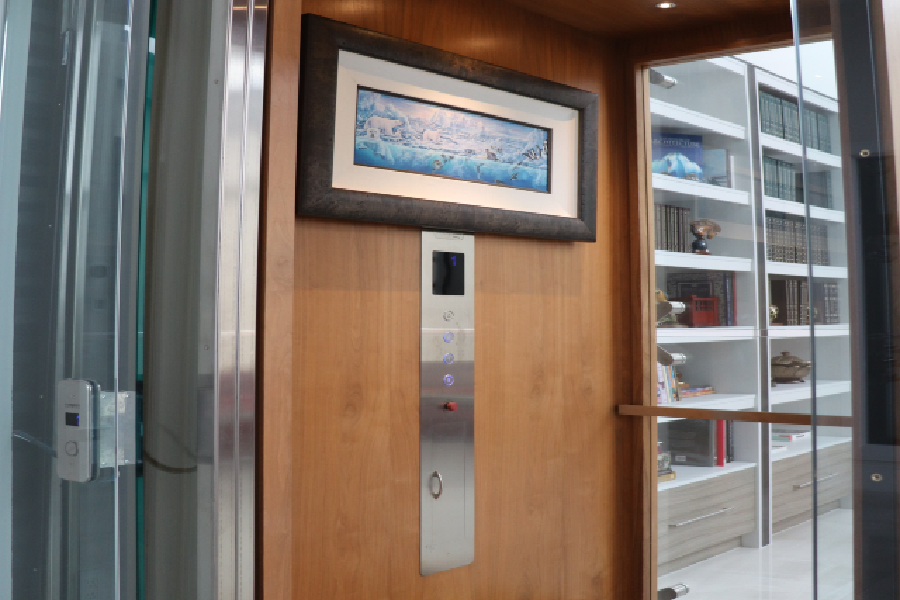
The look and feel of your elevators say a lot about your building. Dated interiors and clunky buttons don’t inspire confidence. Modernizing the cab design, lighting, and interface improves your building’s overall image and professionalism.
5. Future-Proofing
As elevator components age, replacement parts become harder to find, and technicians may be less familiar with outdated models. Upgrading now helps avoid costly downtime in the future and ensures your system stays serviceable for years to come.
When Is the Right Time to Modernize?
● Your Elevator is Over 20–25 Years Old
Most commercial elevators have a lifespan of about 20–25 years with regular maintenance. If your system is reaching or exceeding that age, it’s time to consider an upgrade.
● Frequent Repairs Are Draining Your Budget
If you’re constantly calling in for elevator repairs, modernization could actually be more cost-effective than ongoing fixes.
● Tenants or Visitors Are Complaining
Increased noise, long wait times, or uneven stops can signal deeper issues. If user experience is suffering, modernization can restore trust in your building’s infrastructure.
● You’re Renovating the Building
If you’re already making upgrades to your property—whether to attract tenants or boost value—elevator modernization is a natural complement and may be required by updated building codes.
What Does Elevator Modernization Include?
Depending on your system’s condition and budget, modernization may involve:
- Replacing the control system
- Upgrading the hoist motor or drive system
- Installing new door operators or safety edges
- Modernizing the cab interior (walls, floors, lighting, buttons)
- Adding or upgrading safety and accessibility features
A professional evaluation will help determine which components need updating and which can remain in place.
Final Thoughts
Commercial elevator modernization is an investment in safety, efficiency, and user satisfaction. Knowing when to take action—and why it matters—can save your business money, reduce downtime, and enhance your building’s value.