Installing a home elevator is no longer just a luxury—it’s a practical solution for improving accessibility, increasing property value, and preparing your home for the future. Whether you’re planning for aging in place, helping a family member with mobility challenges, or simply adding convenience to your daily life, a home elevator can be a smart investment.
If you’re considering installing one, here’s what you need to know before getting started:
1. Understand Your Needs and Goals
Before selecting a home elevator, think about why you’re installing it. Is it for accessibility, convenience, or resale value? Will it be used daily or occasionally? Your answers will help determine the type of elevator and the features you’ll need—such as weight capacity, speed, or size.
2. Know the Types of Home Elevators
There are several types of residential elevators, each with unique installation and space requirements:
- Hydraulic Elevators – Smooth and quiet, ideal for larger homes.
- Traction Elevators – Energy-efficient and great for mid-size installations.
- Pneumatic Elevators – Sleek and space-saving, with minimal construction needs.
- Winding Drum or Cable-Driven Elevators – Traditional style with reliable function.
Choosing the right system depends on your space, budget, and preferences.
3. Plan for Space and Construction
Even compact elevators require adequate space for the shaft, machine room (if needed), and entry/exit access. A contractor or elevator specialist will assess your layout and determine what structural modifications are needed. Planning ahead minimizes delays and helps keep your project on budget.
4. Budget for the Full Installation
The cost of a home elevator can vary depending on the type, customization, number of floors, and complexity of the installation. Aside from the elevator unit itself, be sure to factor in:
- Construction/modifications
- Electrical work
- Permits and inspections
- Ongoing maintenance
Setting a realistic budget early helps avoid surprises down the road.
5. Work with a Trusted Installer
Choosing an experienced, licensed elevator contractor is crucial. The right team will help you:
- Select the best elevator for your needs
- Ensure compliance with local codes and safety standards
- Handle the installation efficiently and professionally
- Provide long-term service and maintenance support
Ask for references, check reviews, and don’t be afraid to ask questions during consultations.
6. Think About Design and Accessibility
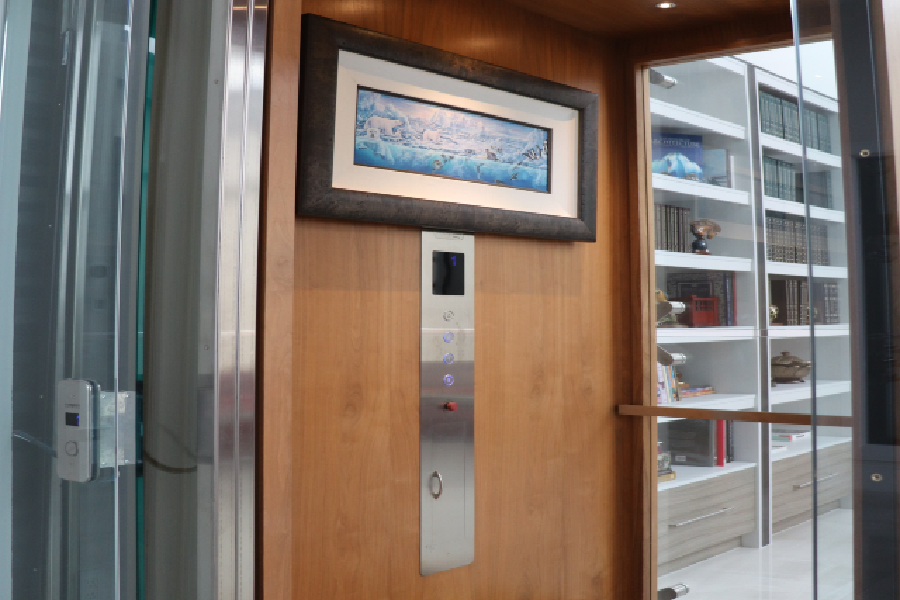
Today’s home elevators come in a variety of styles and finishes to match your décor. You can customize everything from the cab walls and lighting to the control panel. Be sure to consider safety features like emergency alarms, backup power, and easy-to-use controls, especially if the elevator will be used by someone with limited mobility.
Final Thoughts
Installing a home elevator is a big decision, but with the right planning and professional guidance, it can be one of the best improvements you make to your home. It offers comfort, accessibility, and long-term value—especially when done right.