Installing an elevator or lift is a significant investment, not just for convenience but also for the safety of everyone who will use it. At Prime Elevator, we understand that Elevator & Lift Installation must comply with strict safety standards to ensure reliable performance and user protection. In this article, we’ll explore the essential safety requirements that every installation should follow.
Understanding Safety Standards in Elevator & Lift Installation
Safety is the cornerstone of any professional Elevator & Lift Installation. Regulatory bodies like ASME A17.1 and EN 81 provide detailed guidelines to prevent accidents and ensure elevators operate reliably. Key safety standards include:
- Load Capacity Compliance: Every elevator must have clearly marked weight limits to prevent overloading.
- Emergency Systems: Installation must include emergency brakes, alarms, and backup power systems.
- Door Safety Features: Sensors and automatic door locks prevent passengers from being trapped or injured.
- Regular Inspections: Scheduled inspections are mandatory to identify potential issues before they become hazards.
At Prime Elevator, our team strictly follows these standards during every installation to give you peace of mind.
Why Professional Elevator & Lift Installation is Crucial
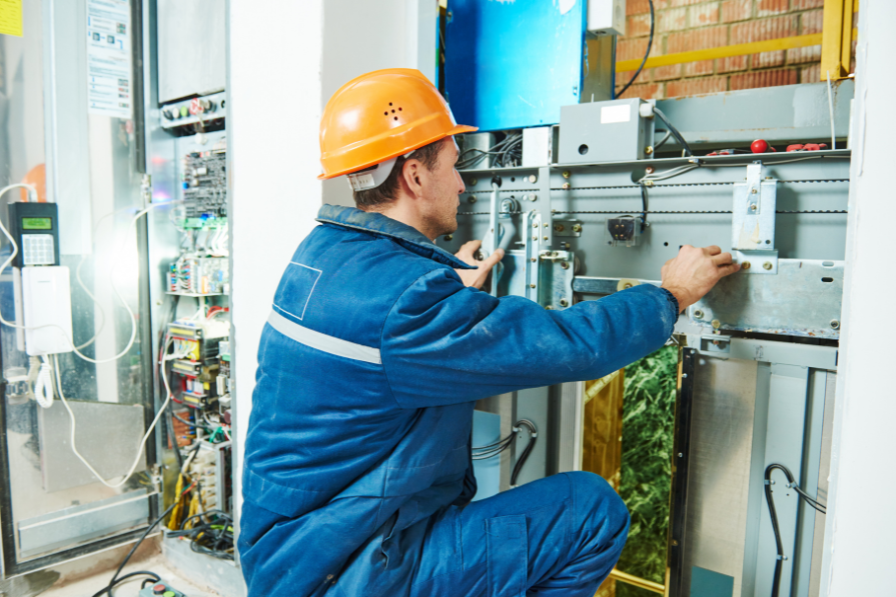
Many building owners underestimate the importance of professional Elevator & Lift Installation. Cutting corners can lead to costly repairs, legal liabilities, or even life-threatening accidents. Professional installation ensures:
- Compliance with Local and International Codes
- Accurate Calibration and Alignment of Mechanical Components
- Proper Installation of Safety Devices and Controls
- Thorough Testing Before the Elevator is Operational
If you’re looking for reliable service, contact Prime Elevator today to schedule a consultation for your installation project.
Safety Checks Every Elevator & Lift Installation Should Include
During the installation process, several critical safety checks are necessary to ensure your elevator or lift is safe and reliable:
- Electrical Safety Testing: Ensuring proper grounding and protection against electrical faults.
- Mechanical Integrity Checks: Verifying cables, pulleys, and other moving parts are installed correctly.
- Emergency Communication Systems: Confirming that intercoms and alarms work in all scenarios.
- Operational Testing: Running full-load simulations to check smooth performance.
Ensuring Ongoing Safety After Elevator & Lift Installation
Safety doesn’t stop once your elevator is installed. Regular maintenance and inspections are critical. At Prime Elevator, we offer comprehensive maintenance plans to:
- Keep all safety systems functional
- Detect wear and tear before it becomes a risk
- Ensure compliance with updated safety codes
Investing in professional installation and ongoing maintenance guarantees that your elevator or lift remains safe and reliable for years to come.
Contact Prime Elevator for Safe Elevator & Lift Installation
When it comes to Elevator & Lift Installation, safety and reliability are non-negotiable. Trust Prime Elevator for professional, compliant, and efficient installations.
Schedule your consultation and ensure your elevator installation meets every safety standard.